
Bhimashankar Wildlife Sanctuary, named after Bhimashankar temple was notified by the state government of Maharashtra in 1985, under the Wildlife Protection Act 1972. The sanctuary is situated on the crest of Western Ghats that is recognised as one of the 12-biodiversity hotspots of the world. The sanctuary harbours a large diversity of endemic & specialised flora and fauna such as a subspecies of the Indian Giant squirrel and various species of mosses and epiphytes including bioluminescent fungi. The sanctuary is critical for providing livelihood support to several hundred tribal communities who reside within and in the surrounds of the sanctuary. The sanctuary forests also house fourteen sacred groves, protected by the people.
Vision
Initiated by Kalpavriksh in 2007, this programme reflects the organisation’s integrated approach to conservation and livelihoods. Beginning in two villages, it now works across eight villages in the Bhimashankar landscape, part of the Western Ghats biodiversity hotspot. The area includes both a legally notified wildlife sanctuary and community-conserved spaces, located within a tribal belt close to the city of Pune. The programme engages primarily with Mahadeo Koli and Katkari Adivasi communities, the latter recognised as a Particularly Vulnerable Tribal Group (PVTG), to strengthen community-led conservation and governance.
Goals:
- Mobilizing local communities towards strengthening community based inclusive conservation, livelihoods and governance practices
- Empowering and mobilizing women and youth
- Facilitating local democratic governance (through formal and informal mechanisms) by building the community’s capacities
- Implementing the Forest Rights Act, 2006 with an emphasis on claiming community forest rights and community forest resource rights
- Strengthening community forest and forest resource management processes
With the above vision, our activities in villages in and around Bhimashankar wildlife sanctuary were initiated in 2007. The overall goal was to help facilitate inclusive conservation governance and management in these villages by supporting local people’s rights over and responsibilities towards surrounding forests and biodiversity.
To know more click here: Process Documentation of Community-Led Conservation at Bhimashankar Wildlife Sanctuary from 2007 – 2026
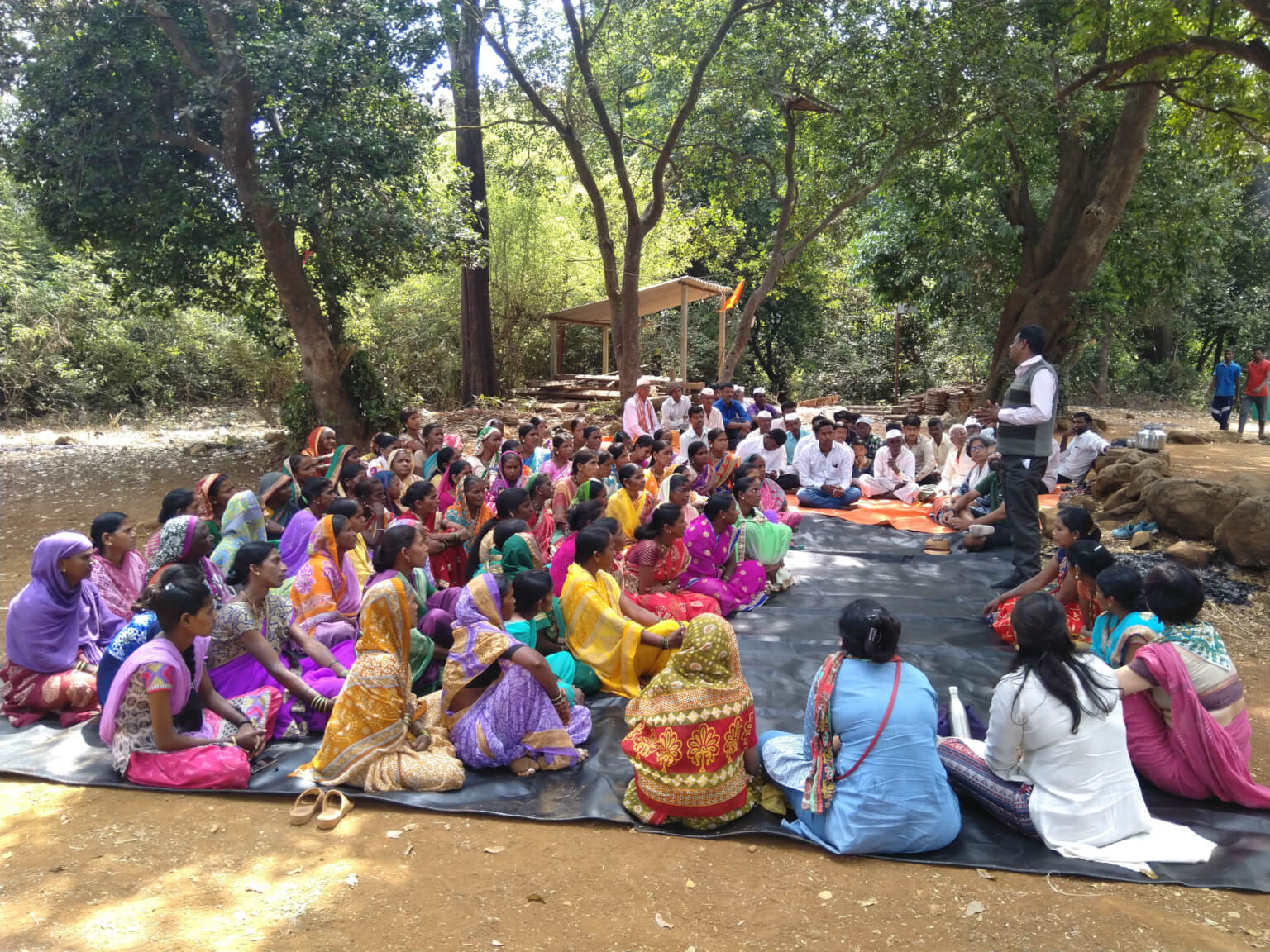
Community Mobilization
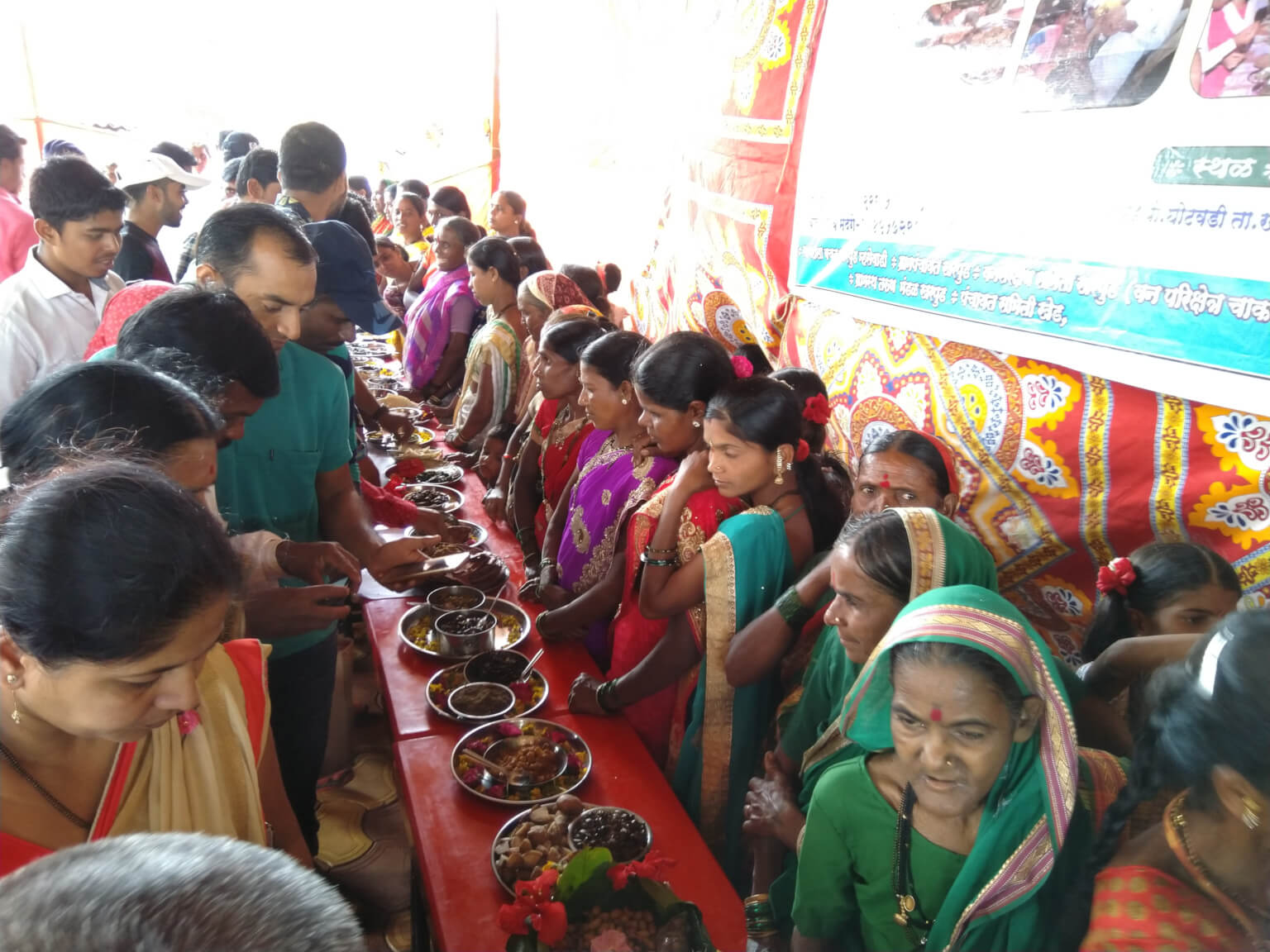
Wild Foods Festival
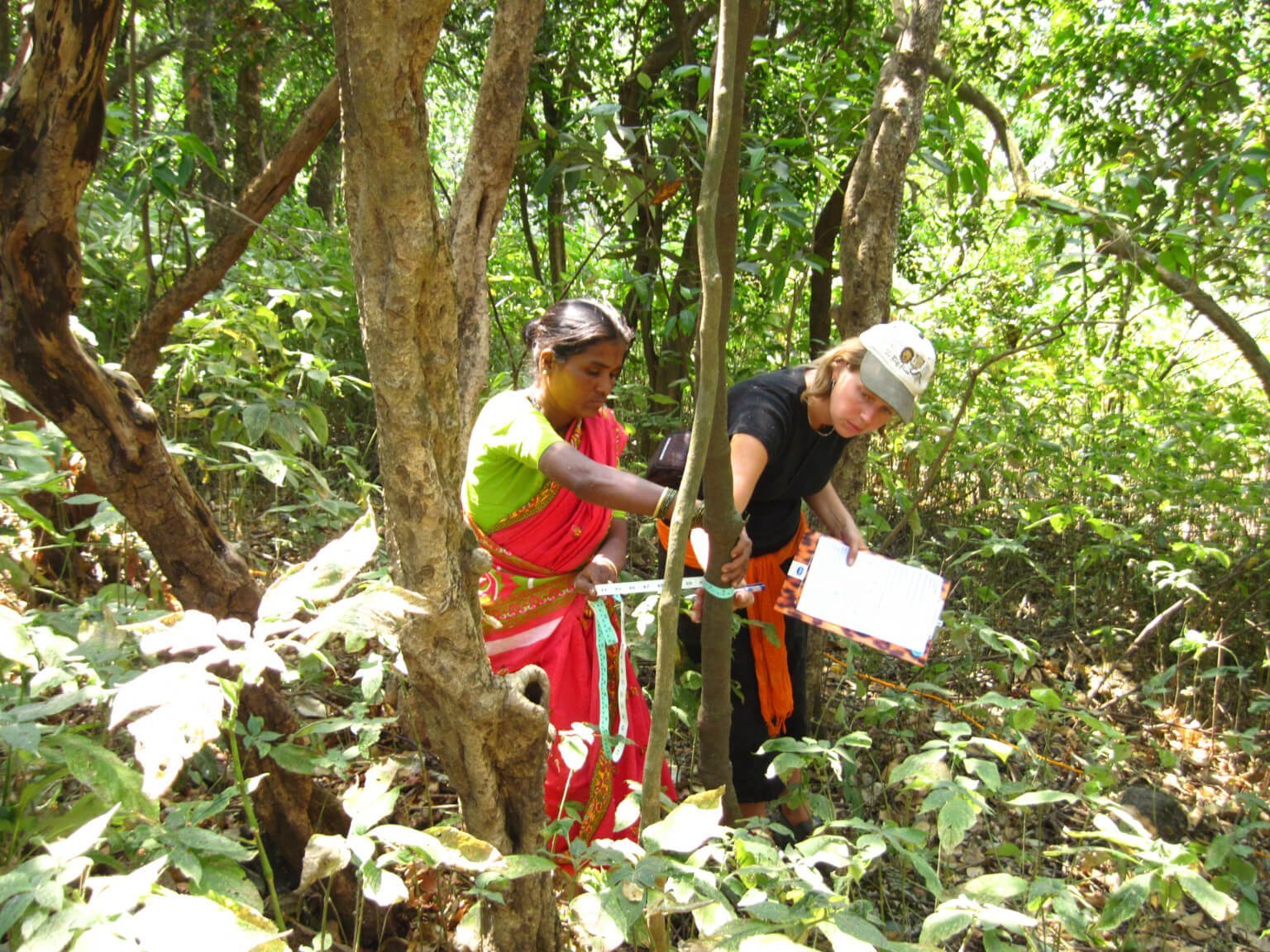
Forests and Livelihoods
Initiating regular village level discussions, dialogues, and collectivization process, including participation in official gram sabhas, supporting local leadership emerging through these discussions
Supporting and helping strengthen existing Women's Self-Help Groups through discussions and learning workshops during monthly meetings; organizing women gram sabhas, women’s maha sabhas, livelihoods based training programmes. Mobilising youth to actively participate in village as well as forest governance.
Workshops on laws and policies e.g Wildlife Protection Act, Eco-sensitive Zones, Right to Information Act, Biodiversity Act, Joint Forest Management and Eco village development Programmes, Forest Rights Act, National Rural Employment Guarantee Act (NREGA); Workshops on women’s empowerment and role in society; workshops with honey collectors on revisiting and revising traditional and non violent systems of honey collection; training programmes for women on honey processing and sale; among others.
Facilitating the process for democratic decision making systems for village and forest governance.
Facilitating mutually beneficial interactions between the forest department and the local people; addressing conflicts and strengthening local people’s negotiation power to arrive at the best possible mechanism for effective conservation.
Facilitating claims process under the Forest Rights Act (see report here), ensuring these are part of official gram sabha agenda, training programmes on CFRs for gram sabhas and women’s SHG, facilitating internal and informal village discussions on CFRs, people to people learning through community exchanges to other sites, boundary mapping, helping facilitate discussions on rules and regulations, organizing training programmes on filing of claims for local volunteers, among others.
Conducting joint ecological studies with local people, experts and ecological researchers.
Through uncultivated and wild food festivals to reconnect the link between community and biodiversity health; van bhojan to celebrate the spirit of the forest; reviving local biodiversity based cultural activities and festivals and facilitating informal and formal village discussions on these subjects.
Emphasising the need for conservation of local seed diversity and farming systems, looking into their gradual decline, reasons for the decline and need for revival; facilitating community seed exchange processes
A participatory study on honey production, bee habitat, declining bee population and reasons for the same. Training workshops on bees and their habitat conservation, traditional systems of honey harvesting and revival of traditional, non-destructive systems of honey harvesting. Organising honey bee festival.
Helping local teams (including women’s groups) document local fauna and flora and knowledge related to those, traditional natural resource management strategies and ecologically sensitive cultural practices, traditional seed varieties and farming systems, uncultivated and wild foods, among others.
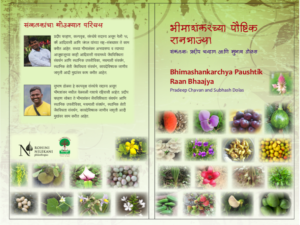
Bhimashankarchya Paushtik Raan Bhaajya | भीमाशं करच्या पौष्टिक रानभाज्या
Pradeep Chavan and Subhash Dolas have published a booklet on the nutritious wild vegetables of Bhimashankar. To access the soft copy please click HERE. Hard copies of the booklet are now available for free of charge at our office. In case of delivery, postage/courier charges will be applicable.
Community run and managed eco-tourism programme in Yelavali village.
Women Self-Help Groups catering for tourists in Bhorgiri.
Women Self-Help Groups buying honey from local honey collectors, processing and marketing honey under the brand name “Bhimashankar Honey.
Facilitating implementation of National Rural Employment Guarantee Act (NREGA); Helping with village Joint Forest Management and Eco-Village-development Programmes (where villagers so desired).